
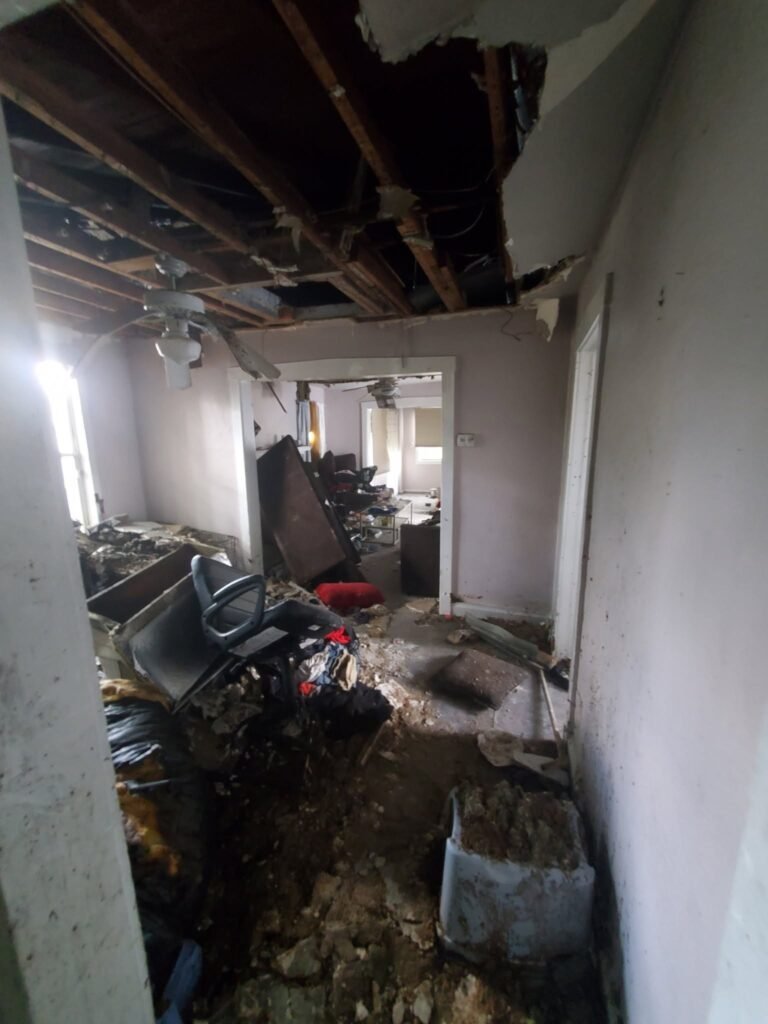
A house fire is one of the hardest things a family can go through. In a matter of minutes, the place where you live becomes a scene of loss — and almost immediately, before you’ve had a chance to catch your breath, an insurance process starts that will shape how well you recover. The decisions you make in the first few days genuinely matter, and most homeowners have never had to make them before.
Classic Enterprises Florida comes at this from an unusual angle. Tim Kolk isn’t only a Florida Certified Residential Contractor — he also works as a licensed independent adjuster — a role he has held since 2011 — working claims from the insurance company’s side of the table. He’s worked thousands of claims since 2011 and knows exactly how a fire claim gets evaluated, what documentation carriers expect, and where homeowners unknowingly leave themselves short. This guide is what he’d tell a neighbor.
First: Safety, Then the Phone Call
Before anything else — do not go back inside until the fire department clears the structure. A house that looks stable after a fire can hide compromised framing, and smoke residue is genuinely toxic. Wait for the official all-clear.
Once everyone’s safe, two calls come first:
- Your insurance company. Florida homeowners policies require you to report a loss promptly — treat it as a same-day or next-day task, not something that waits until the shock wears off. Late notice gives a carrier room to question the claim.
- The fire department, for a copy of the official fire report. That report documents the cause and extent of the fire, and it becomes a foundational piece of your claim file. Request it early; it can take several days to be released.
Understand What Your Policy Actually Covers
Most Florida homeowners are surprised by how many separate coverages a fire claim touches. Under Florida law, standard homeowners policies include fire coverage, and it typically breaks into a few parts:
- Dwelling — repairing or rebuilding the structure itself
- Personal property — your belongings
- Additional Living Expenses (ALE) — temporary housing, meals, and related costs while your home is uninhabitable
- Other structures — detached garages, sheds, fences
One detail that quietly determines your payout: whether your policy pays replacement cost value (what it costs to replace things new) or actual cash value (replacement cost minus depreciation). It’s worth finding that line in your policy early, because it changes what you should expect.
Document Everything — The Way an Adjuster Wants to See It
This is where Tim’s background changes the advice. When he evaluates claims from the carrier’s side, the files that move smoothly and pay fully have one thing in common: thorough, organized documentation. The ones that got delayed or short-paid were almost always missing it.
So, before anything is cleaned up or thrown away:
- Photograph and video everything — every room, every damaged item, every angle, including smoke and soot damage that isn’t obviously “burned.”
- Build a room-by-room inventory of damaged belongings. It’s tedious, and it’s the single best thing you can do for your personal-property claim.
- Keep every receipt tied to the loss — hotel, meals, supplies — because those feed your ALE coverage.
A carrier can’t pay for damage nobody documented. The homeowners who recover fully are the ones who treat documentation as their job in those first days.
Secure the Property to Prevent Further Damage
Florida policies expect you to take reasonable steps to prevent additional damage after a loss — board up broken windows, tarp an open roof, keep water out. Beyond protecting your home, this shows the carrier you acted responsibly, which matters. Keep receipts for any emergency work; it’s typically reimbursable.
The Adjuster’s Inspection: What Most Homeowners Don’t Realize
Here’s the part Tim is most direct about, because he works on that side too: the insurance company’s adjuster works for the insurance company. That’s not a knock on them — it’s their job. But it means the initial damage assessment reflects the carrier’s view of the loss, and it’s on you to make sure nothing gets overlooked or under-scoped.
This is exactly why it helps to have your contractor present during the adjuster’s inspection. A contractor who understands both construction and how carriers document a loss can make sure the full scope of the damage — including the parts that aren’t obvious — is identified and written down accurately. Not to argue the claim, but to make sure the assessment reflects what it will actually cost to rebuild your home correctly and to current Florida code.
Repair or Rebuild — and Doing It Right
Once the claim scope is settled, the work begins. For significant fire losses, that can mean anything from smoke and soot remediation and reconstruction of damaged areas up to a substantial rebuild. Where a structural assessment is required, it should be performed by a licensed engineer — Classic Enterprises can recommend a firm for these services. From there, the reconstruction is a full contracting project — permitted, built to current code, and returned to pre-loss condition or better.
A word of caution from experience: don’t rush into demolition or sign off on cleanup before the damage is fully documented and you have a clear scope of loss. Once evidence is gone, it’s gone.
How Classic Enterprises Helps
Classic Enterprises handles the rebuild side of fire recovery for homeowners across St. Petersburg and Pinellas County — the reconstruction that turns a damaged house back into your home. Because Tim works as a licensed independent adjuster and prepares estimates in Xactimate, the damage and the repair scope are documented the way carriers expect to see it, so your repair and your claim stay aligned from the start.
To be clear about what that means: as your contractor, Tim documents the physical damage and the cost to repair it. Classic Enterprises is a licensed contractor, not a public adjuster, and does not negotiate or represent your claim against your insurer — but Tim makes sure the damage is captured accurately and rebuilt correctly.
Filing a Fire Damage Claim in Pinellas County?
If your home has been damaged by fire, call (813) 434-6249 for a free, no-pressure assessment. Tim will walk the property, talk through the scope, and give you a straight answer about what comes next.
FL Certified Residential Contractor CRC1335151 | FL Licensed Independent Adjuster W137218